
Laser cutting is a versatile and precise method of cutting various materials using a highly focused laser beam. While it may seem like an advanced technology, the range of materials that can be cut with lasers is actually quite surprising.
From traditional metals to more unique materials such as wood, leather, and even chocolate, laser cutting has proven to be a valuable tool in many industries. Let’s take a closer look at some of the materials that laser cutting services Dubai can handle.
Wood and paper items:
Natural textures look beautiful when shaped by light. Sheets of plywood or thick cardboard become delicate art pieces or functional items. Designers favor these materials because the heat leaves a darkened edge that adds character. Intricate maps, signs, or small models emerge quickly from thin boards.
Synthetic fabrics:
Textiles like polyester or nylon react well to focused beams. Edges seal automatically during the process, preventing fraying. This benefit makes production efficient for banners, sports uniforms, or decorative patches. Complex lace patterns become simple tasks when controlled by a computer, producing consistent results every time.
Hard plastics:
Acrylic remains a favorite choice because of its clarity and polished finish. Light slices through thick panels smoothly. Other plastics, such as polypropylene, also respond well. These materials appear in display cases, custom signs, or protective covers, showing off clean lines and smooth surfaces without needing extra sanding.
Thin metals:
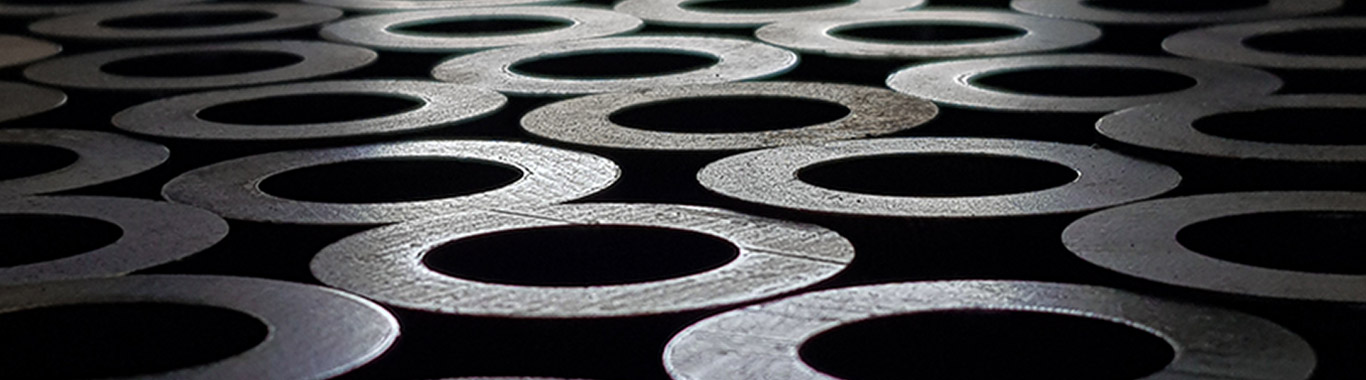
Steel, aluminum, and brass sheets are common targets for focused beams. These sturdy materials create durable brackets, artistic panels, or decorative home accents. Precision ensures tight tolerances for engineering components. The process handles designs with curves and sharp angles easily, leaving minimal waste behind.
Rubber and silicone:
Flexible sheets cut cleanly, allowing for custom gaskets, seals, or soft buttons. These materials maintain their shape while receiving precise incisions. Manufacturers utilize this method to create specific forms for machinery or specialized equipment. The speed of the process creates custom shapes without needing expensive molds.
Stone and ceramic:
Thin slate tiles or ceramic surfaces etch beautifully. While deep cutting remains difficult, the surface reaction creates permanent markings or shallow engravings. Home decor items like coasters or personalized plaques look professional with etched designs. These materials add weight and value to a wide range of artistic projects.